Liposuction Michigan for Busy Professionals Seeking Fast Recovery
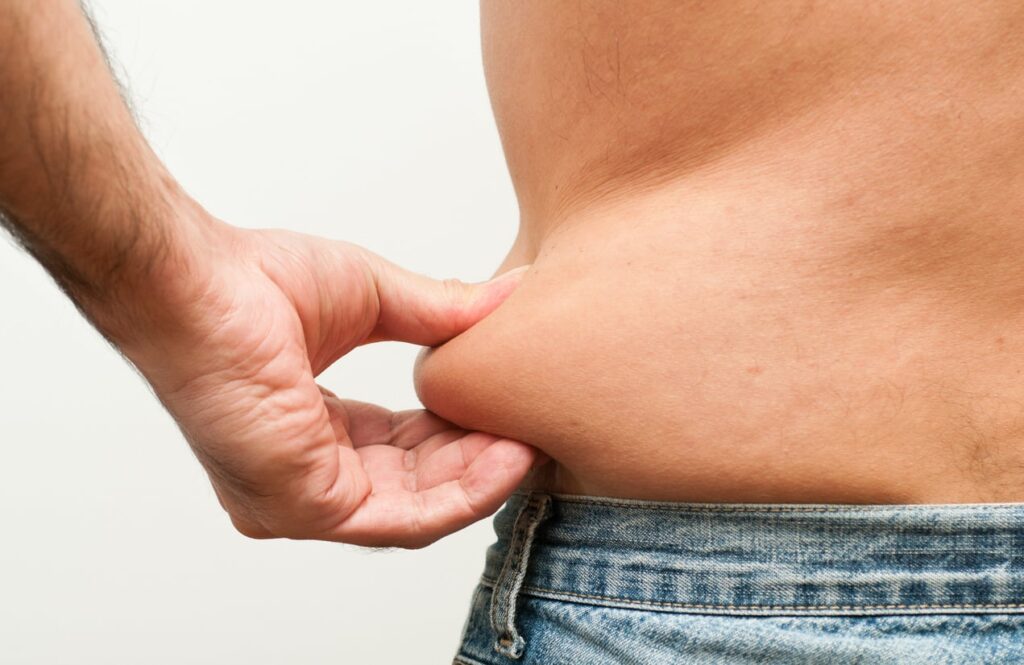
For busy professionals, body contouring is rarely about vanity alone. It is often about feeling comfortable in tailored clothing, moving through long workdays with more confidence, or finally addressing stubborn fat that did not respond to disciplined habits. People who manage teams, travel for work, sit through client dinners, or juggle demanding schedules tend to ask a very specific question about liposuction: how soon can I get back to normal life without advertising that I had surgery?
That question matters, and not just for calendar reasons. Recovery affects productivity, visibility, Liposuction Michigan Aesthetic Plastic Surgery & Laser Center, Michelle Hardaway M.D. and peace of mind. Someone who leads presentations on Monday cannot afford to feel foggy or look obviously post-operative for weeks on end. A business owner may be able to work from home after a procedure, but still needs enough physical comfort and mental clarity to make decisions. A physician, attorney, sales executive, or entrepreneur usually wants improvement without a prolonged disruption.
That is where careful planning becomes more important than the procedure itself. Liposuction can fit into a packed life, but only when expectations are realistic, the surgical plan is conservative and thoughtful, and recovery is treated as part of the treatment, not an afterthought. In the context of Liposuction Michigan, this often means selecting timing around weather, travel, and work demands as much as selecting treatment areas.
Why recovery speed means different things to different professionals
“Fast recovery” sounds straightforward, but patients often mean different things by it. One person means being able to answer emails the next day. Another means returning to the office in four or five days without drawing attention. A third means getting back to workouts in two weeks. Those are separate milestones, and they rarely happen all at once.
Most healthy adults can resume light desk work relatively quickly after liposuction, especially when only a small or moderate area is treated. That does not mean they feel fully normal. Soreness, swelling, temporary drainage, compression garments, and fatigue are common in the early period. Many professionals can function before they look or feel polished. That distinction is important.
I have found that the busiest patients often underestimate two parts of the process. First, they underestimate swelling. Even excellent early results can look puffy before they look refined. Second, they underestimate how tiring it is to recover while trying to keep a full professional schedule. Sitting at a laptop is possible sooner than attending a full-day conference, commuting downtown, or wearing fitted business attire for ten straight hours.
For that reason, the best recovery plan is not the shortest possible one. It is the smartest one. The goal is to create enough margin that normal post-op symptoms do not collide with critical obligations.
What liposuction actually does, and what it does not
Liposuction removes localized fat deposits to improve contour. It is not a weight-loss operation, and it does not replace the basics of exercise, nutrition, or sleep. The strongest candidates are often already fairly healthy, close to a stable weight, and frustrated by one or two resistant areas that do not reflect the effort they put into their routines.
For professionals, the most requested areas tend to be practical ones. The abdomen and flanks are common because they affect how shirts, suits, and dresses fit. The submental area, under the chin, matters because it changes profile on video calls and in photographs. The chest, upper arms, inner thighs, or bra-line area may also come up, depending on the patient’s anatomy and wardrobe.
The procedure can produce excellent shaping, but it has limits. If the skin is significantly loose, liposuction alone may not tighten it enough. If a patient wants a dramatic transformation but has diffuse weight concerns, the result may fall short. If the issue is muscle separation after pregnancy, abdominal liposuction alone will not address that. This is where good surgical judgment matters. Fast recovery should never come at the cost of choosing the wrong procedure.
The Michigan angle that patients often overlook
When people search for Liposuction Michigan, they often focus on finding a qualified surgeon, and that is the right first step. But the state itself influences recovery logistics more than many expect.
Michigan weather can shape the post-op experience. Compression garments are easier to tolerate in cooler months than during humid summer stretches. On the other hand, winter can make walking outside less pleasant, and icy driveways are not ideal when you are moving carefully after surgery. For some professionals, early spring or fall offers the best balance. You can wear layers, avoid heavy sweating in compression, and still move around comfortably.
Commutes also matter. A patient who lives in Ann Arbor and works remotely may recover very differently from someone who drives an hour into Detroit each day or flies weekly out of Grand Rapids. Long car rides can be uncomfortable early on. Frequent travel raises questions about lifting bags, sitting for prolonged periods, and timing around swelling. If your work requires mobility, your surgical plan should account for that before a date is booked.
Michigan also has a large population of professionals whose schedules revolve around quarter-end deadlines, automotive industry cycles, medical call schedules, court dates, and academic calendars. The best surgery date is often less about personal preference and more about choosing a window where you can truly downshift for several days without creating stress that undermines recovery.
Good candidates for a quicker return to work
Not everyone recovers at the same pace, even when the procedure is technically similar. In my experience, the patients who tend to return to work more smoothly share a few traits:
- They are treating a limited number of areas rather than chasing a full-body transformation in one session.
- They are already at a stable weight and in generally good health.
- They can work remotely, at least for a few days.
- They have support at home for the first 24 to 48 hours.
- They follow post-op instructions closely instead of trying to “push through.”
Those points may sound simple, but they make a real difference. A healthy patient having a small-volume contouring procedure on a Thursday, with remote work on Monday and Tuesday, is in a very different position from a patient treating multiple areas who plans to attend an in-person board meeting three days later.
The size of the treatment plan matters. More areas usually mean more swelling, more soreness, longer compression time, and slower visible refinement. If recovery speed is a top priority, it can make sense to narrow the focus and treat the areas that will have the greatest impact on clothing fit or confidence first.
What recovery usually looks like in real life
Patients often want a day-by-day script. Real recovery is less tidy, but there are predictable patterns.
The first day is usually about rest, fluids, light walking, and managing drainage if the surgeon uses small access sites that are left open temporarily. You may feel sore, tight, and tired, more like you overdid an intense workout than like you are bedridden. Most patients are up and moving around the house the same day, but they are not at their best.
By day two or three, many desk-based professionals can answer messages, take calls, and handle light computer work. That does not mean they should schedule a twelve-hour day. This is often the point where the motivated patient feels “pretty good” and is tempted to do too much. That usually backfires with more swelling and fatigue by evening.
Around one week, many people can return to office work if the procedure was limited and their job is not physically demanding. They may still need loose clothing, strategic breaks, and some privacy for adjusting compression garments. Bruising can be visible, though usually hidden under business attire unless the neck or arms were treated.
Two to three weeks after surgery, most professionals feel far more normal in public. Swelling is still present, but soreness is usually down, energy is improving, and regular routines become easier. This is the point where many patients tell me they are glad they did it, even if the final result is not yet visible.
The longer arc is easy to forget. Final contour definition can take months, especially in the abdomen or flanks. Early recovery may be quick enough for work, but tissue settling is slower than many expect. Fast functional recovery and final aesthetic recovery are not the same thing.
Planning surgery around work without making recovery harder
Busy people are used to efficiency. They batch meetings, optimize calendars, and squeeze personal appointments into narrow windows. Surgery does not respond well to that mindset if it becomes too aggressive.
The best planning I see is deliberate, not heroic. Patients who do well usually protect their calendar for longer than they think they need. They clear major meetings, avoid social events where they would feel pressure to look polished, and arrange at least a few days where no one expects them to be fully on.
There is a practical difference between being able to work and being comfortable working. If your role involves presentations, a visible procedure such as chin liposuction may require more discretion than abdominal contouring hidden under clothing. If your office dress code is fitted or formal, compression garments become part of the planning conversation. If your commute is long, that alone may justify extra recovery time.
A simple planning framework helps:
- Choose a surgery date before a lighter work stretch, not before a peak one.
- Build in at least several days where remote work is possible.
- Delay major travel, especially flights or long drives, unless your surgeon clears it.
- Have compression-friendly clothing ready before surgery.
- Tell only the people who need to know, but make sure those people truly can help.
That last point matters. A patient once described taking liposuction “as a long weekend project.” On paper, it looked efficient. In reality, they spent the next week trying to hide discomfort in the office, skipped proper rest, and felt more stressed than before surgery. Another patient blocked off a full week despite expecting to need only four days. They ended up returning to remote work sooner than planned, but with none of the panic. Margin is often the difference between a smooth experience and a miserable one.
Choosing the right procedure, not the trendiest one
A lot of professionals arrive at consultation with terms they picked up online: awake liposuction, laser lipo, ultrasound-assisted contouring, high-definition sculpting, mini lipo. Some of these options are useful in the right hands and for the right anatomy. None of them automatically guarantee an easier recovery.
The details that affect recovery most are often less glamorous. How much fat is being removed? How many areas are treated? What is the patient’s baseline health? Is skin quality good? Will the procedure be done under local anesthesia, IV sedation, or general anesthesia? Does the surgeon have a conservative approach or a maximalist one?
Small-area liposuction under local anesthesia can be appealing for professionals who want less downtime and a simpler perioperative course. For the right patient, it can work very well. But not everyone is an ideal candidate. Some patients need a broader treatment plan, and trying to force a minimal approach can lead to under-treatment or dissatisfaction.
At the other end of the spectrum, combining many areas in one session may seem efficient from a scheduling standpoint. It can be, but it generally asks more of the recovery process. There is always a trade-off between comprehensiveness and convenience. The best surgeons explain that clearly instead of promising a magical shortcut.
The surgeon selection question matters more than the zip code
Searching for Liposuction Michigan is a starting point, not a decision. Geographic convenience helps, but credentials, judgment, and communication matter more. A well-located practice does not compensate for rushed consultations or vague answers about recovery.
For professionals with limited downtime, the consultation should be specific. You should be able to discuss your job demands in concrete terms. Can you sit through meetings by day four? When can you wear fitted trousers again? How long should you avoid lifting a laptop bag? What if you have a work trip two weeks later? A surgeon who regularly treats busy adults will usually answer with nuance, not a canned line.
Pay attention to whether the surgeon pushes back when needed. If someone wants aggressive abdominal liposuction on a Wednesday and a black-tie event on Saturday, the responsible answer is probably no. A surgeon who protects you from bad timing is often the one who will protect your result.
Board certification, accredited facilities, and experienced staff are basic expectations. Beyond that, look for a practice that has a clear post-op system. Fast recovery is helped by good instructions, responsive follow-up, and staff who can troubleshoot ordinary concerns before they become stressful.
How to make recovery easier on yourself
The recovery period is short enough that small practical moves have outsized benefits. Preparation is rarely glamorous, but it saves frustration when you are sore and tired.
Set up your home so you do not have to hunt for things. Have water, easy meals, medications, chargers, and extra pillows within reach. If compression garments are part of the plan, make sure you understand how they go on and how often they should be worn. Looser workwear, zip-front layers, and slip-on shoes tend to be useful early on.
One overlooked issue is decision fatigue. High-performing professionals are used to multitasking, but recovery feels harder when every minor task requires problem-solving. If you can simplify your week before surgery, do it. Move deadlines, prepay bills, stock groceries, and clear the usual mental clutter. You are not trying to create a spa retreat. You are trying to keep ordinary life from piling onto post-op discomfort.
Hydration, light walking, and sleep quality also matter more than people expect. Swelling is not just about the procedure itself. It is also influenced by movement, sodium, stress, and how well you support your body afterward. The patient who drinks little water, eats restaurant food for three days, and jumps right back into work stress often feels worse than the patient who treats the first week with some respect.
When a “fast recovery” mindset becomes a problem
There is a fine line between being efficient and being unrealistic. I see problems when patients treat recovery like a challenge to beat rather than a process to support.
Trying to return to exercise too soon is a common one. The person who usually trains five mornings a week often feels restless by day five or six. But tissue that looks calm from the outside may still be inflamed. Overexertion can increase swelling, soreness, and frustration. The same goes for business travel, heavy lifting, and social commitments that sound manageable until compression garments, tightness, and fatigue enter the picture.
Another issue is expecting perfect early symmetry or immediate sharp definition. Swelling is uneven. One side may look more inflated before things settle. The under-chin area can feel firm for a while. The lower abdomen can be the last place to refine. Professionals who are accustomed to measurable outcomes can struggle with this. The result usually unfolds in stages, not all at once.
A healthy recovery mindset is disciplined but patient. Follow instructions closely, watch for anything outside the expected course, and give the tissues time to settle. That approach tends to produce both a safer recovery and a better long-term result.
Special considerations for executives, physicians, attorneys, and frequent travelers
Certain careers bring predictable recovery challenges. Executives often need to appear polished quickly and may have little control over meeting cadence. Physicians can have physically demanding responsibilities and limited schedule flexibility. Attorneys may sit for long hours in court or need to wear structured clothing. Frequent travelers deal with luggage, airport walking, and prolonged sitting.
This does not mean liposuction is off the table. It means planning needs to be precise. For a physician, surgery before a lighter clinical block may make more sense than before a heavy call week. For an attorney, a hearing schedule may matter more than total days off. For an executive, a hidden treatment area with remote work can be easier to manage than a visible one before a conference.
The best outcomes often come from aligning the procedure with the professional reality rather than trying to force reality around the procedure. That may mean treating fewer areas, waiting for a better calendar window, or choosing a season that makes garments and layering easier.
A sensible way to think about timing
If your main priority is a quicker return to normal activity, think in terms of phases rather than dates. First, when can you safely rest and recover? Second, when can you function at a desk? Third, when can you be seen comfortably in professional settings? Fourth, when do you need the final result for a milestone event, trip, or wardrobe change?
Those questions often lead to smarter timing. If you want to look your best for a summer vacation, spring may be a better target than early June. If your busiest quarter starts in January, late fall may give you more breathing room. If your role becomes chaotic around year-end, a “holiday break” procedure may not be relaxing at all.
The most successful Liposuction Michigan patients I have seen do not simply ask, “How fast can I recover?” They ask, “What is the least disruptive way to get a result I will be happy with six months from now?” That is a better question, and it usually leads to better choices.
The real payoff
When liposuction is well indicated and thoughtfully planned, the benefit for busy professionals can be substantial. Clothes fit more cleanly. Daily dressing becomes less frustrating. Video calls and in-person meetings feel less self-conscious. For many patients, the biggest change is not dramatic transformation but relief. Relief that a persistent area no longer dominates their attention. Relief that years of healthy effort are finally reflected more accurately in their shape.
That payoff is real, but so is the need for judgment. Fast recovery is possible in many cases. Effortless recovery is not. The professionals who do best usually approach surgery the same way they approach high-stakes work: with preparation, restraint, and respect for the process.
If you are considering Liposuction Michigan, the smartest move is not to search for the most aggressive promise. It is to find a skilled surgeon who understands anatomy, aesthetics, and the practical realities of your schedule. A result that looks natural and a recovery that fits real life will always outperform a rushed plan built around wishful thinking.
Aesthetic Plastic Surgery & Laser Center, Michelle Hardaway M.D.
27920 Orchard Lake Rd, Farmington Hills, MI 48334, United States
+1 248-221-1957
FAQ About Liposuction Michigan
Is 55 too old for liposuction?
Age 55 alone does not determine suitability. A surgeon evaluates overall health, skin quality, healing risks, and realistic goals. A personal consultation is needed to assess candidacy and discuss alternatives.
What happens 10 years after liposuction?
Contour improvements can last, especially with stable weight. Aging, pregnancy, and weight changes can alter the appearance over time. Results vary, and liposuction does not prevent future body changes.
Can lipo get rid of an apron belly?
Liposuction reduces localized fat but does not remove hanging excess skin. An apron belly may require assessment for a skin-removal procedure instead of, or alongside, fat removal. A qualified plastic surgeon can explain appropriate options and their risks.