Liposuction Farmington Hills: Signs You’re Ready for a Consultation
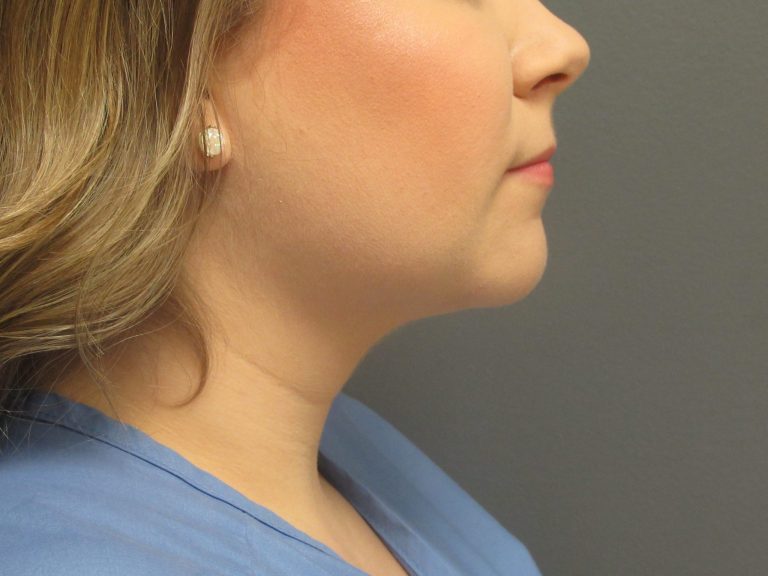
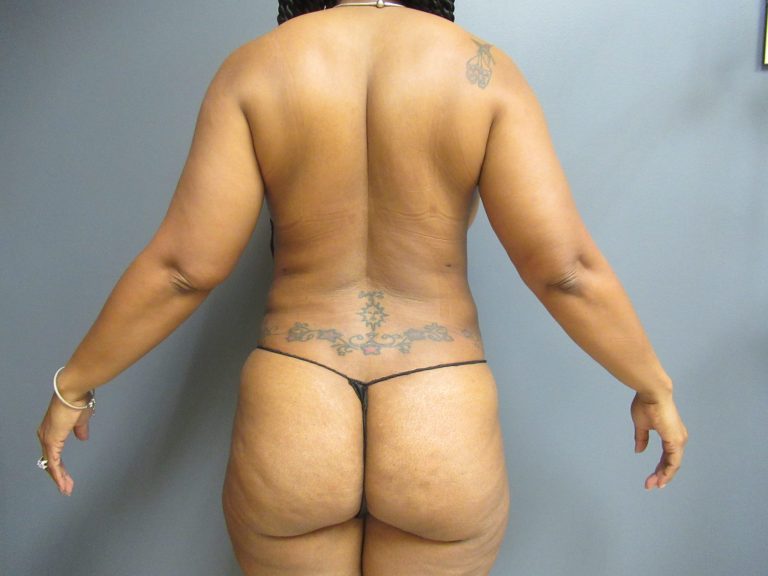
Deciding whether to explore liposuction is rarely a snap judgment. For most people, the idea builds slowly. It may start with a stubborn area that does not respond to clean eating, regular workouts, or a meaningful drop on the scale. It may show up after pregnancy, after a major weight loss, or simply with age, when body fat seems to settle in different places and stay there no matter how disciplined your routine becomes.
That is usually the first important distinction to make. Liposuction is not a substitute for weight loss, and people who do best with it generally are not looking for a rescue plan. They are looking for refinement. They want a better waistline, a cleaner jawline, less fullness under the arms, or smoother contour through the abdomen, flanks, thighs, or back. They have often put in considerable work already. What frustrates them is not a lack of effort. It is the mismatch between effort and result in specific problem areas.
If you have been searching for information on Liposuction Farmington Hills, the bigger question may not be whether the procedure exists or what areas can be treated. The real question is whether you are personally at the right point to schedule a consultation. That timing matters more than many people realize. A well-timed consultation tends to be focused, productive, and grounded in realistic goals. A rushed one often leads to confusion, disappointment, or a recommendation to wait.
When frustration becomes specific, not general
One of the clearest signs you are ready for a consultation is that your concern has Liposuction Farmington HIlls become precise. You are not saying, “I hate everything” or “I just want to be thinner.” You are saying, “My lower abdomen still projects even though my weight has been stable,” or “My flanks are the last area that keep me from fitting comfortably in tailored clothes,” or “The fullness under my chin makes me look heavier than I am.”
This matters because liposuction is a contouring procedure. Surgeons can evaluate contour. They can assess localized fat deposits, skin quality, asymmetry, and how your body shape might change with treatment. They cannot turn a vague dissatisfaction into a predictable surgical plan. Patients who come in with targeted concerns usually leave with clearer answers. Sometimes those answers support liposuction. Sometimes they point in another direction, such as skin tightening, a tummy tuck, weight stabilization, or simply more time.
A consultation works best when the concern is local, not global. That is not a moral judgment or a cosmetic one. It is just how the procedure is designed.
You are close to a maintainable weight
This is one of the most misunderstood parts of the conversation. Many people think they should wait until they have reached some perfect number before speaking with a surgeon. Others assume liposuction will help them get there. In practice, the sweet spot is usually somewhere in the middle. If your weight has been relatively steady and you are within a range you believe you can maintain, that is often a strong sign you are ready to talk.
Stable weight matters because it helps define what is actually “stubborn.” If your weight is still moving up and down by a significant amount, body contour can change with it. That makes planning less reliable. The surgeon is trying to judge fat distribution, skin retraction potential, and overall proportionality. It is much easier to do that when your body is not in flux.
I have seen this come up often with people who have recently started a fitness program. Six weeks in, they are motivated, disciplined, and impatient. They may already notice better energy and strength, but not the body shape changes they hoped for. At that stage, it is often too early to know what their body will do on its own over several more months. On the other hand, someone who has maintained Liposuction Farmington HIlls a similar weight for a year, works out regularly, and still carries the same pocket of fat in the lower abdomen or outer thighs is in a very different position. That person is often a much better candidate for a useful consultation.
Your expectations have shifted from dramatic to realistic
People do best with liposuction when they understand both its power and its limits. It can create meaningful contour change. In the right patient, that change can be striking. Waistlines may appear more defined. Clothing may fit better. A neck may look more sculpted. But liposuction does not rewrite anatomy, erase every irregularity, or guarantee a “perfect” body.
A practical mindset is one of the strongest signs of readiness. If you can say, “I want improvement, not perfection,” you are already thinking like a good surgical candidate. That sounds simple, but it has real implications. Bodies are not perfectly symmetrical to begin with. Skin quality varies. Some areas respond beautifully. Some improve more modestly. The goal is to create a better contour, not to chase a flawless result that no real human body can sustain.
This does not mean you should lower your standards. It means you should align them with what surgery can credibly deliver. During consultation, surgeons often spend a great deal of time clarifying this point, because satisfaction after surgery depends as much on expectation as on technique.
You understand that skin quality changes the result
A common misconception is that removing fat automatically tightens skin. Sometimes the skin contracts nicely, especially in younger patients or in areas with good elasticity. Sometimes it does not. This is one of the biggest reasons a consultation is valuable. Liposuction treats fat. It does not directly remove excess skin.
This distinction matters most after pregnancy, after significant weight loss, or with age-related laxity. A patient may feel they need liposuction because the abdomen looks full, but the dominant issue may actually be loose skin or muscle separation. In that case, liposuction alone could leave them underwhelmed or even make laxity more obvious. The same principle applies to the upper arms, neck, inner thighs, and lower face.
If you have started noticing that your concern is not just volume but also looseness, bunching, or crepey texture, you are definitely in consultation territory. That does not mean liposuction is off the table. It means the treatment plan may need nuance. In some cases liposuction is still appropriate. In others, it is better combined with a different procedure or replaced by one that addresses the actual issue.
You have moved beyond internet research and want a professional assessment
Online research is useful, up to a point. It can help you understand terms, see before-and-after galleries, and learn what questions to ask. But there is a limit to what you can figure out from photos, forums, and social media clips. Eventually, you need someone to assess your body, your skin, your goals, and your medical history in real time.
That turning point is another sign of readiness. You are no longer collecting random information. You are trying to answer specific questions about yourself. Am I a candidate for abdomen liposuction, or would I need a different procedure? Is chin liposuction enough, or is skin laxity going to affect the outcome? Would the flanks respond well? How much downtime is realistic with my work schedule? What does recovery actually feel like in the first week?
Those are consultation questions, not internet questions. And the answers are individual.
For patients exploring Liposuction Farmington Hills options, this is often where local considerations become important too. You are not just asking whether you want the procedure. You are asking where you feel comfortable being evaluated, how far you want to travel for surgery and follow-up, and whether the practice seems attentive in a way that matches your expectations. The consultation is not only about your candidacy. It is also about your confidence in the surgeon and the care team.
Your motivation is personal, not pressured
Some of the best consultations happen when the patient is doing this for themselves. They want to feel more comfortable in fitted clothing. They want to look more proportional after major lifestyle changes. They want a body contour that better reflects the work they have already done. The motivation is internal and steady.
The consultations that raise concern often involve external pressure. A partner has made comments. A reunion is coming up. A wedding date feels like a deadline. Social media comparison has gone from irritating to obsessive. Those situations do not automatically mean surgery is wrong, but they do call for caution. Cosmetic decisions made from panic or pressure tend to be less stable and harder to evaluate clearly.
A useful gut check is whether you would still want the change six months from now even if nobody else ever commented on your body again. If the answer is yes, that suggests the decision is rooted in your own long-term sense of comfort. That is a healthier foundation for any elective procedure.
You can make room for recovery, even if life is busy
People often underestimate recovery because liposuction is so common. Common does not mean casual. Recovery varies based on how many areas are treated, how much fat is removed, your baseline health, and the specific technique used. Most patients can expect soreness, swelling, bruising, and a period of compression garment use. Many are up and walking early, which is encouraged, but they still need to respect the healing process.
Readiness includes logistics. Can you take a few days off if needed? Do you have help at home, especially if young children are involved? Can you avoid intense workouts for the recommended period? Are you prepared for swelling to distort the final picture before the result settles in?
The patients who handle recovery best are usually the ones who planned for it honestly. They did not minimize it to themselves. They arranged their work calendar. They filled prescriptions ahead of time. They set up comfortable clothes, easy meals, and a place to rest. If reading that feels manageable rather than overwhelming, that is a good sign.
Your health habits are stable enough to support healing
Liposuction is elective, but healing is not optional. The body still has to recover from surgery, manage inflammation, and adapt to contour changes. That is why good candidates usually have reasonably stable health habits. They do not need to be flawless or ultra-athletic. They just need to be in a place where recovery is supported, not undermined.
A few patterns often suggest someone is ready for consultation:
- Their weight has been fairly stable for several months or longer.
- They do not smoke, or they are willing to follow strict preoperative guidance about nicotine.
- They have realistic exercise and nutrition habits they can maintain after surgery.
- They are managing medical conditions with appropriate care.
- They are not treating surgery as a substitute for foundational health changes.
These points are not about passing a moral test. They are about outcomes. Weight swings can affect contour. Nicotine can impair healing. Crash dieting before or after surgery can create disappointment. Sustainable habits protect the investment and make it easier to enjoy the result over time.
You are asking better questions
Readiness often reveals itself in the kinds of questions you ask. Early-stage curiosity sounds like, “How much weight will I lose?” or “Can you make me look like this celebrity?” Those questions are understandable, but they usually come from a limited view of what liposuction does.
More grounded questions sound different. They focus on contour, safety, fit, and recovery. They often sound like this:
“Is the fullness I see mainly fat, skin, or both?”
“If I treat this area, what will still look the same afterward?”
“How visible might asymmetry or cellulite be after swelling resolves?”
“Would I benefit more from treating one area well, rather than several at once?”
“What does a normal recovery timeline look like for someone with my job and schedule?”
That shift in questioning is significant. It shows that you are no longer fantasizing about a vague transformation. You are trying to understand how this procedure fits your body and your life.
You accept that not every concern is best treated with liposuction
This may sound counterintuitive, but one sign you are ready for a liposuction consultation is that you are open to hearing “no” or “not by itself.” Mature patients want the right procedure, not just the fastest yes.
For example, someone may come in convinced that abdominal liposuction is the answer, but a surgeon may identify loose skin or muscle separation as the more dominant issue. Another patient may dislike fullness along the jawline, but the real problem may be skin descent in the lower face rather than excess fat under the chin. A third patient may want smoother thighs, while the actual limitation is cellulite or skin texture that liposuction will not reliably fix.
Being open to that kind of feedback protects you. It leads to better planning and better outcomes. A strong consultation is not a sales pitch. It is a filtering process. If you are ready for honest assessment, even when it complicates the answer, you are likely ready to have the conversation.
The emotional timing feels calm, not desperate
Cosmetic surgery decisions are deeply personal, and emotion is always part of the picture. Still, there is a difference between thoughtful dissatisfaction and emotional urgency. If you feel desperate, ashamed, or panicked, it may be worth pausing before scheduling surgery. If you feel clear, steady, and curious, that is a healthier place to start.
I have seen patients postpone a consultation by several months after a breakup, after a harsh comment, or during a stressful life event. Very often, that delay serves them well. When they come in later, their goals are more coherent and less reactive. They can process trade-offs better. They are less likely to chase a result that is really meant to solve an emotional wound surgery cannot touch.
That kind of self-awareness is a strength, not hesitation. Cosmetic procedures tend to go better when the patient approaches them from stability rather than crisis.
What a worthwhile consultation should actually cover
A proper consultation should feel thorough. You should expect discussion of your goals, medical history, medications, prior surgeries, weight trends, and the specific areas bothering you. There should be an exam of fat distribution and skin tone, along with an honest discussion of what result is realistic. You should also hear about risks, recovery, compression, activity restrictions, and the possibility that some irregularity, swelling, or asymmetry can be part of the normal process.
It should also address the practical side. Who is a candidate for in-office treatment versus surgery center treatment? How many areas can reasonably be treated at once? What is the expected recovery window for your specific plan? When can you return to desk work, school drop-off, driving, or exercise? How long before swelling settles enough to judge the shape?
If you are seeking Liposuction Farmington Hills providers, pay attention not only to credentials and before-and-after photos, but also to how carefully the team educates you. A polished website is easy to produce. A thoughtful consultation is harder to fake. Good practices tend to be direct about candidacy, conservative about promises, and organized about recovery planning.
A few signs it may be smart to wait
Not everyone who is curious is ready, and that is perfectly fine. Sometimes waiting improves the eventual result. You may want to hold off if you are in the middle of active weight loss, if pregnancy is part of your near-term plans, if your schedule makes recovery unrealistic, or if you are hoping liposuction will solve a broad dissatisfaction with your body that has not yet been sorted out.
There is also a practical reason to wait if you have not yet developed a clear sense of what bothers you most. A focused plan usually outperforms an impulsive one. Some patients benefit from taking photos, noting what clothing fits poorly, and observing whether the concern remains consistent over time. If the same area keeps standing out month after month despite stable habits, that pattern itself becomes useful information.
Waiting is not failure. It is often what allows a consultation, and later a procedure, to be genuinely worthwhile.
The clearest sign of all
The strongest sign you are ready for a consultation is simple: you are seeking clarity, not rescue. You are not expecting liposuction to fix your life, your confidence overnight, or every body issue you have ever noticed. You want an expert opinion on a specific concern. You are ready to hear what is possible, what is limited, and what alternatives might fit better. You can make space for recovery, and your motivation comes from your own desire to feel more at ease in your body.
That is the mindset that tends to lead to good decisions.
A consultation is not a commitment to surgery. It is a fact-finding step. For many people, especially those exploring Liposuction Farmington Hills options, that step brings relief even before any procedure is scheduled. You stop guessing. You stop comparing yourself to filtered photos and one-size-fits-all advice. You get a real assessment of your anatomy, your goals, and your options.
And once you have that, the next decision usually becomes much easier.
Aesthetic Plastic Surgery & Laser Center, Michelle Hardaway M.D.
27920 Orchard Lake Rd
Farmington Hills, MI 48334
(248) 221-1957
FAQ About Liposuction Farmington Hills
What disqualifies you from getting liposuction in Farmington Hills?
A surgeon may recommend postponing or avoiding liposuction if a health condition, medication, or nicotine use raises the risk of surgery or poor healing. A consultation is needed to assess your medical history and whether the procedure fits your goals.
Can liposuction remove 20 pounds?
Liposuction is a body contouring procedure for localized fat. It is not a weight loss treatment, and a specific number of pounds is not a safe or useful target. The surgeon determines how much can be removed safely for each patient.
What are the risks of liposuction?
Risks include infection, changes in sensation, uneven contours, and complications from anesthesia or blood clots. A plastic surgeon can explain which risks apply to you and what to expect during recovery.