Body Contouring in Michigan: How Technology Is Changing Treatment
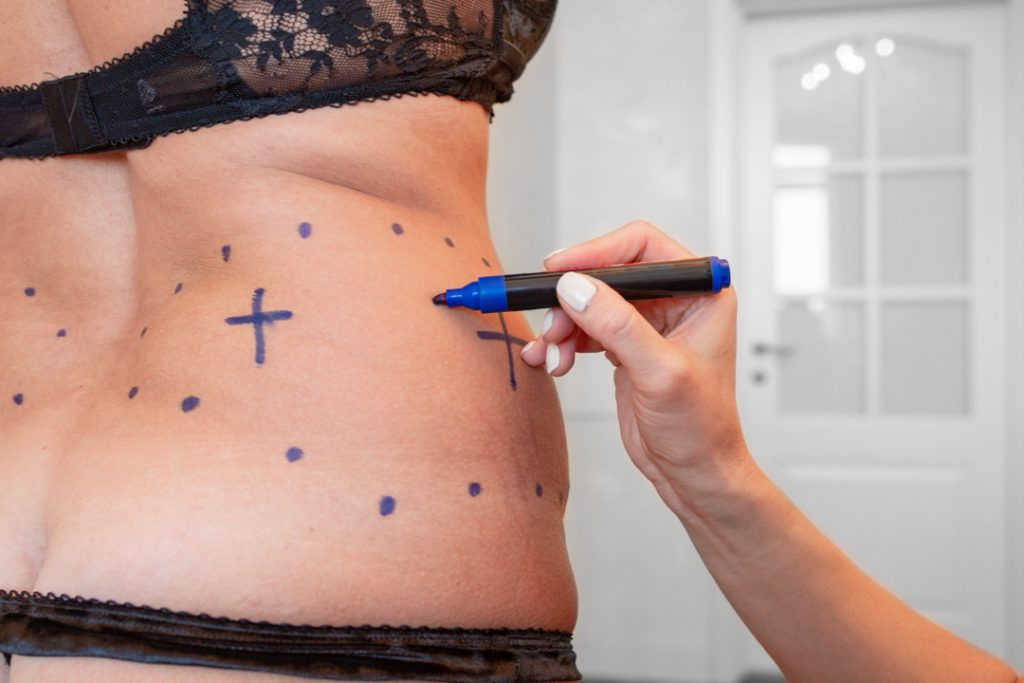
Walk into a reputable aesthetic practice in Michigan today and the conversation around body contouring sounds very different than it did even ten years ago. Patients still ask the same foundational questions. Will this help with my abdomen after pregnancy? Can anything smooth the flanks that never seem to respond to exercise? Is there a way to tighten skin without committing to surgery? What has changed is the range of answers.
Body contouring used to be framed in fairly simple terms. Surgical liposuction was the gold standard for fat removal, and if skin laxity was significant, surgery was often the only truly effective path. That is still partly true. Technology has not replaced good clinical judgment, and it certainly has not erased the differences between surgery and noninvasive treatment. What it has done is expand the middle ground. Patients in Michigan now have access to a much wider menu of options, from cryolipolysis and radiofrequency to ultrasound, muscle stimulation, laser-assisted devices, and combination protocols that treat fat, skin, and texture in the same general area.
That matters because most people do not come in asking for a machine. They come in with a practical concern. Their jeans fit differently after weight loss. Their lower abdomen looks soft despite a disciplined routine. Their upper arms bother them in sleeveless clothing. They want a result that looks believable, fits their schedule, and does not leave them guessing about recovery. Technology, when used well, helps match the treatment to the person rather than forcing every person into the same treatment model.
Why body contouring has become more nuanced
The phrase Body Contouring covers a broad category of treatments, and that breadth is part of the challenge. Some devices aim to destroy fat cells. Others heat tissue to stimulate collagen. Some build or tone muscle through electrical stimulation. A few do more than one thing at once, though every platform has limits that should be discussed honestly.
In practice, the best outcomes come from understanding the difference between fullness, laxity, and texture. A patient may believe they need fat reduction when the more visible problem is actually loose skin. Another may focus on “toning” when the issue is a modest fat pocket sitting over relatively strong muscle. Technology has made treatment more sophisticated because it allows clinicians to separate those concerns and address them with more precision.
Michigan is an interesting place to look at this trend because the patient population is diverse in both goals and lifestyle. Someone in Metro Detroit may want minimal downtime because they are back in meetings the next morning. A patient in Grand Rapids may be focused on post-weight-loss contouring after a long health journey. Another in Ann Arbor may arrive having researched every device online and want a technically detailed explanation of energy delivery, tissue depth, and likely endpoints. The demand is not for one universal solution. It is for options that can be tailored.
The shift from one-size-fits-all to targeted technology
The old model of Body Contouring often centered on whether someone was a surgical candidate. That still matters, but the newer model asks more refined questions. Where is the concern located? Is the tissue pinchable or fibrous? Is the skin elastic, mildly loose, or significantly lax? Has the area changed after pregnancy, weight loss, aging, or all three? What kind of downtime can the patient realistically manage?
Technology has changed treatment because devices can now target specific tissue characteristics with more control than earlier generations allowed. Cooling-based systems can address localized fat bulges without incisions. Radiofrequency devices can deliver heat to stimulate collagen remodeling, which may improve firmness over a series of sessions. High-intensity focused electromagnetic systems work on muscle contraction, which can sharpen contour in selected patients, though they are not a weight-loss treatment and should never be presented that way.
This shift has made consultations Body Contouring in Michigan more important, not less. A patient with a small lower abdominal bulge and good skin quality may do well with a noninvasive fat-reduction device. A patient with moderate skin laxity after significant weight loss may spend money on repeated nonsurgical sessions and still be disappointed because the degree of redundancy exceeds what devices can meaningfully improve. Technology expands possibilities, but it also requires a clinician who knows when not to use it.
What the major technologies actually do
A lot of patient confusion comes from marketing language. “Melt fat,” “tighten skin,” and “sculpt the body” can sound interchangeable in advertising, but they describe different mechanisms.
Cryolipolysis uses controlled cooling to damage fat cells, which the body then clears gradually over several weeks to months. It tends to work best for discrete pockets of pinchable fat rather than generalized obesity. The appeal is obvious. No incisions, little downtime, and a fairly predictable treatment flow. The limitation is equally important. It does not tighten significantly loose skin, and results can be modest if the wrong patient is selected.
Radiofrequency-based treatments use heat to stimulate collagen and elastin remodeling, with some systems also affecting deeper fat. In real practice, these treatments are often chosen for patients whose biggest complaint is softness or mild laxity, especially in the abdomen, arms, thighs, or under the chin. Results usually develop over time. Patients who expect a dramatic overnight change tend to be disappointed, while those who understand the gradual nature of collagen remodeling are often happier.
Ultrasound systems can be used in several ways depending on the device. Some are designed to heat deeper tissue for tightening. Others have been used to disrupt fat cells. The quality of result depends heavily on how energy is delivered, what tissue layer is being targeted, and whether the patient’s anatomy matches the device’s strengths.
High-intensity electromagnetic technology is a different category because it is not primarily about fat or skin. It creates supramaximal muscle contractions that are difficult to reproduce through normal exercise. Patients often describe the treated area as feeling firmer or more “put together,” particularly in the abdomen and buttocks. Still, muscle stimulation cannot correct loose skin and should not be sold as a substitute for significant fat reduction.
Laser-assisted and minimally invasive technologies sit in a middle zone between purely noninvasive treatment and surgery. Some involve tiny entry points and local anesthesia. These approaches may tighten tissue more effectively than fully noninvasive devices because they deliver energy directly where it is needed. They can be excellent options for the right patient, especially when mild to moderate skin laxity is the main issue, but they do involve more recovery and operator skill becomes even more critical.
Michigan patients are asking better questions
One positive change in Body Contouring in Michigan is that patients are often more informed when they arrive. That does not always mean they have accurate information, but it does mean they understand there are meaningful differences between treatment categories. Five years ago, many people asked whether a device “works.” Now they are more likely to ask what it works for, how many sessions are typical, and whether a result is likely to look visible in regular clothing rather than just in before-and-after photography.
Those are smart questions. So are these:
- What is the primary issue in my case: fat, skin laxity, muscle tone, or a combination?
- How many sessions are realistic for my goals?
- What result would count as a success in your practice?
- If this treatment falls short, what would the next step be?
- Am I trying to use a nonsurgical option to solve a surgical problem?
That last question saves people a lot of frustration. In seasoned practices, some of the most valuable consultations end with a recommendation not to proceed with a device. Not because technology is ineffective, but because expectations and anatomy do not line up.
The role of combination treatment
One of the biggest developments in recent years is the move toward combination planning. A single modality can help, but layered concerns often respond better when treatments are sequenced. Think about a patient after pregnancy. She may have a small fat pocket in the lower abdomen, reduced skin elasticity, and some degree of abdominal wall weakness. No single device fully addresses all of that. Fat reduction might improve projection. Radiofrequency could help skin quality. Muscle stimulation might add some firmness. If there is diastasis or excess skin beyond a mild degree, surgery may still be the only option that produces a major change.
The important point is not that every patient needs multiple treatments. It is that technology has made it possible to customize treatment pathways with much more granularity. In the best settings, clinicians do not chase every concern at once. They identify the dominant issue, treat that first, and build from there if needed.
I have seen this play out especially well in patients who lost 20 to 40 pounds and are near their goal weight but still feel “unfinished.” They are often not looking for transformation. They want refinement. This is where thoughtful Body Contouring can be particularly effective. A moderate improvement in contour, paired with realistic counseling, often feels significant in daily life. Clothing drapes better. Waist definition returns. The body looks more in proportion to the effort already invested.
Seasonal patterns and practical realities in Michigan
Michigan’s climate affects treatment timing more than many people expect. In colder months, patients often feel more comfortable scheduling procedures that involve compression garments, temporary swelling, or limited activity. Fall and winter are typically busy seasons for Body Contouring consultations because people want results to mature by spring or early summer. Noninvasive treatments also fit this schedule well since many produce gradual change over two to three months.
Summer brings a different kind of demand. Patients become more body-aware because clothing changes. They want quick answers, but body contouring usually rewards patience. That disconnect is common. A person who books in late May hoping to look completely different by a June vacation may not be a good candidate for slower collagen-based technology. A better plan might be to treat after summer with a timeline that respects how tissue actually responds.
Another practical consideration in Michigan is lifestyle variability. Some patients are highly active outdoors, others work long shifts on their feet, and still others travel frequently. These details matter. A treatment that sounds easy on paper may be annoying in real life if post-procedure tenderness affects workouts or if several sessions are hard to fit into a schedule. Good treatment planning is not only about anatomy. It is also about logistics.
What technology can improve, and what it cannot
The expansion of devices has created a subtle problem. Patients may start to believe that every body concern is now “treatable” without surgery. That is not true. Technology has improved options, but it has not suspended anatomy.
Noninvasive and minimally invasive treatments tend to do best in patients with mild to moderate concerns, stable weight, and clear, specific goals. They are often ideal for the person who says, “I like my overall shape, but this one area bothers me.” They are less reliable for someone seeking a dramatic change in multiple areas, especially if significant skin redundancy is part of the picture.
There is also a difference between visible improvement and transformational change. A 15 to 25 percent reduction in a localized fat pocket may be enough for a patient to feel much better in fitted clothing. For another patient, that same percentage may feel underwhelming if they expected a surgical-level result. Technology works best when the metric for success is aligned with the treatment’s actual range.
One of the most honest ways to frame Body Contouring in Michigan is this: modern treatments are very good at refinement, moderate reshaping, and improving tissue quality in selected patients. They are less good at replacing surgery when surgery is clearly indicated.
The consultation matters more than the machine
Patients often compare brands and platforms before they choose a provider. That is understandable, but the quality of the assessment usually matters more than the logo on the device. A skilled consultation includes physical examination, not just a quick glance and a price quote. The clinician should evaluate fat distribution, skin recoil, scars, previous procedures, and any asymmetry that could affect the final look.
This is also where medical history comes in. Some technologies are not appropriate for certain implanted devices, hernias, connective tissue concerns, recent surgeries, or specific skin conditions. Weight stability matters too. Treating someone who is still actively losing or gaining weight can make results hard to interpret and harder to maintain.
The strongest practices usually underpromise slightly. If someone is told they will likely see a meaningful but not dramatic reduction, and that tightening may be subtle, they can make a grounded decision. Overselling creates the opposite effect. Even a decent result may feel like failure if the consultation created an unrealistic picture.
Recovery has improved, but downtime is not zero
A major reason these technologies have gained traction is that they fit real lives. Many noninvasive treatments allow people to return to normal activity quickly. That said, “no downtime” is often too simplistic. Some patients experience swelling, numbness, bruising, soreness, temporary tenderness, or a feeling of tightness that lasts days or weeks depending on the modality.
This is especially important for athletic patients. A treatment may technically allow same-day exercise, but if the abdomen is sore or the thighs feel tender, the practical recovery can be longer than expected. Patients who know this ahead of time handle it much better. They build treatment around travel, events, and workouts rather than trying to squeeze it in impulsively.
Minimally invasive options may bring more noticeable recovery, but also stronger potential tightening in the right case. Again, technology has increased choice, not eliminated trade-offs.
The best candidates usually share a few traits
Clinically, the happiest patients tend to have a stable baseline. Their weight is relatively steady. Their goals are specific. They are not using Body Contouring as a substitute for general weight loss, and they understand that maintenance still depends on lifestyle. Destroyed fat cells in a treated area do not regenerate in the same way, but untreated fat cells can still enlarge if weight increases. Muscle-focused treatments also require upkeep. Bodies are dynamic, not fixed.
A patient once put this well after completing a series of treatments for the flanks and lower abdomen. She said the result did not make her a different person, it made her effort visible. That is exactly the space where these treatments shine. They can reveal and refine. They do not exempt anyone from physiology.
Where Body Contouring in Michigan is heading
The next phase is not likely to be one magical device that does everything. More realistically, progress will come from better treatment matching, improved safety features, more precise energy delivery, and smarter combination protocols. Imaging, tissue assessment, and data tracking may also improve how practices plan and evaluate results, though the human eye and experienced hands still matter enormously.
There is growing interest in treatments that address skin quality alongside contour, especially for patients who care about texture, crepiness, and firmness as much as circumference. That reflects a more mature understanding of aesthetics. Looking better is not just about being smaller. It is about proportion, smoothness, and how tissue behaves in motion and in clothing.
For Michigan patients, this is good news. The menu is broader than ever, and the better practices are moving away from one-device-fits-all recommendations. The caution is that more options require more discernment. A well-matched treatment can be genuinely satisfying. A poorly matched one can waste time, money, and trust.
Technology has changed Body Contouring by making treatment more flexible, more targeted, and in many cases more accessible to people who do not want surgery. It has not changed the basics of good care. Accurate diagnosis, realistic goals, and a clinician willing to tell the truth still matter most. When those pieces are in place, the modern tools available for Body Contouring in Michigan can do something valuable. They can close the gap between how a person feels they should look and what they see in the mirror, without pretending that every concern has a simple fix.
Aesthetic Plastic Surgery & Laser Center, Michelle Hardaway M.D.
Address: 27920 Orchard Lake Rd, Farmington Hills, MI 48334
Phone number: +12482211957
FAQ About Body Contouring in Michigan
What does body contouring actually do?
Body contouring (or body sculpting) eliminates stubborn localized fat, tightens loose, sagging skin, and reshapes your silhouette. It is not a weight-loss tool, but rather a cosmetic procedure used to refine and tone specific trouble spots after major weight loss, pregnancy, or aging.
How much does body contouring usually cost?
The total cost of body contouring usually ranges from $2,000 to $25,000+ depending entirely on whether you choose non-surgical sessions or major surgical procedures.
Because "body contouring" covers everything from simple fat-freezing to comprehensive post-weight-loss surgeries, pricing is heavily categorized by the method used.
What is the best type of body contouring?
Liposuction is a huge topic and worth discussing in more detail, but in terms of body contouring and sculpting, nothing does the job better than liposuction, particularly VASER liposuction.