A Beginner’s Guide to Liposuction Farmington Hills and Body Contouring
Body contouring is one of the most misunderstood areas of cosmetic surgery. Many people arrive at a consultation with a mix of hope, hesitation, and half-formed assumptions. They may have lost weight but still carry fullness along the abdomen or flanks. They may exercise regularly and eat well, yet the shape they see in the mirror has not changed in the way they expected. Others are trying to understand the difference between liposuction, a tummy tuck, and the long list of non-surgical treatments they see advertised online.
For beginners, the first useful thing to know is simple: liposuction is a contouring procedure, not a weight-loss plan. That distinction matters because it affects whether someone is likely to be happy with the result. When the right patient chooses the right procedure at the right time, liposuction can produce a cleaner waistline, a more balanced silhouette, and a noticeable improvement in how clothes fit. When expectations drift too far from what surgery can realistically do, disappointment tends to follow, even when the procedure itself is technically successful.
For anyone researching Liposuction Farmington Hills, the goal should not be to find the fastest route to surgery. It should be to understand what liposuction can improve, what it cannot fix, and how body contouring decisions are made in a thoughtful, medically sound way.
What liposuction actually does
Liposuction removes localized fat deposits from targeted areas of the body. The surgeon uses a small hollow tube called a cannula to break up and suction out fat cells through tiny incisions. Common treatment areas include the abdomen, waist, hips, thighs, back, upper arms, neck, and under the chin.
That description sounds straightforward, but the artistry lies in what is left behind as much as what is removed. Good liposuction is not about making an area flat at all costs. It is about shaping transitions, preserving smoothness, and respecting the patient’s natural anatomy. A skilled surgeon is thinking in three dimensions the entire time. How will the waist flow into the hips? Will the outer thighs look proportionate to the inner thighs? If fullness is removed from the abdomen, will the skin contract enough to support the new contour?
These details are where beginner research often falls short. People tend to focus on the before-and-after photo, then skip the underlying reason one result looks natural while another looks uneven or overdone. The answer is usually a mix of anatomy, skin quality, surgical judgment, and restraint.
Why some areas respond and others do not
Not all body fat behaves the same way. Some fat is metabolically active and tends to change readily with diet and exercise. Some is more stubborn and hangs on despite consistent effort. Liposuction works best on these stubborn pockets, especially when body weight has been stable for several months.
The lower abdomen is a common example. A patient may feel generally healthy and still notice a soft roll that persists even after strength training and calorie control. Another frequent concern is the flank area, often called love handles, where even modest fullness can blur the waistline. In the thighs, patients usually describe rubbing, asymmetry, or a shape that makes certain clothes difficult to wear comfortably.
That said, the quality of the overlying skin changes the conversation. Firm skin tends to adapt better after fat removal. Thin, lax, or heavily stretched skin may not contract enough to create a smooth finish. In those cases, liposuction alone may leave looseness that the patient did not anticipate. This is one reason a consultation matters so much. Two people with the same amount of abdominal fullness may need very different treatment plans.
The difference between liposuction and weight loss
This is the misconception that causes the most trouble. Liposuction can remove fat, but it is not designed to treat obesity or replace healthy habits. The amount of fat removed is limited by safety, fluid balance, and what the tissue can tolerate while still healing well. Most patients see the best results when they are already close to a maintainable weight and want improvement in shape rather than a dramatic drop on the scale.
A practical way to think about it is this: weight loss makes a body smaller overall, while liposuction changes proportions. Someone might lose 20 pounds and still dislike the shape of the lower abdomen. Another person might stay at nearly the same weight after liposuction, yet look more defined because the waist and trunk are better balanced.
Patients are sometimes surprised by this. They expect a bigger numerical change than the mirror reflects. In real life, however, contour changes often matter more than the scale. Pants fit differently. A tucked-in shirt sits more cleanly. Dresses skim rather than cling. Those are the kinds of outcomes that tend to drive satisfaction.
Where body contouring fits into the picture
Body contouring is a broader category than liposuction alone. It includes surgical and non-surgical options used to improve body shape, proportion, and definition. Liposuction is one tool within that category. In some cases it is the main event. In others it is only part of the answer.
Take the abdomen, for example. If a patient has excess fat but good skin tone and minimal muscle separation, liposuction may be enough. If the same patient also has loose skin after pregnancy or major weight loss, the surgeon may recommend an abdominoplasty, commonly called a tummy tuck, either instead of liposuction or in combination with it. The tummy tuck removes extra skin and can tighten stretched abdominal muscles, which liposuction does not do.
The same principle applies elsewhere. The neck may improve beautifully with liposuction if the skin still has elasticity. Upper arms with significant skin laxity may require an arm lift if the patient wants a meaningful change. Body contouring is not one procedure, one technology, or one promise. It is a tailored plan built around anatomy and goals.
A closer look at common treatment areas
The abdomen and flanks are usually the first areas beginners ask about, and for good reason. They are central to the silhouette and strongly influence Aesthetic Plastic Surgery & Laser Center, Michelle Hardaway M.D. Liposuction Farmington HIlls whether the body appears straighter, softer, or more athletic. Liposuction in these areas can create a more defined waist and reduce bulk through the midsection. Small adjustments can make a large visual impact because they change the frame of the torso.
The thighs present a different challenge. Inner thigh fullness can cause friction and discomfort, while outer thigh fullness can widen the lower body and alter balance with the upper body. Results can be excellent, but surgeons usually approach the thighs conservatively. Over-resection can create contour irregularities that are difficult to correct.
The upper arms are another area where expectation management matters. Many patients focus on the pinchable fullness, but what bothers them may actually be a mix of fat and skin laxity. Liposuction can help selected patients, especially younger patients with better elasticity, but it will not erase skin looseness on its own.
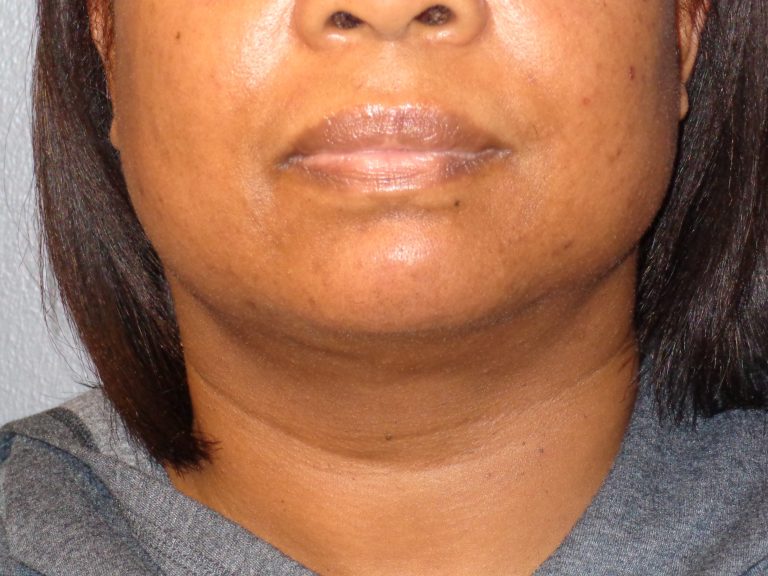
Submental liposuction, which treats the area under the chin, often delivers one of the highest satisfaction rates because a relatively small change can sharpen the jawline and make the face look more rested. This area heals differently from the body, though, and swelling can linger longer than patients expect.
Who tends to be a good candidate
The strongest candidates usually share a few traits. They are in reasonably good health. Their weight has been stable. They have specific areas of concern rather than a generalized expectation that surgery will fix everything. Just as important, they understand that recovery is part of the process, not an inconvenience to be ignored.
A surgeon evaluating someone for Liposuction Farmington Hills is not just measuring fat. The surgeon is assessing skin tone, prior surgeries, scar history, medical conditions, smoking or nicotine exposure, and the patient’s ability to follow post-operative instructions. Even details that seem minor can change the recommendation. A person with a history of poor wound healing, for instance, may still be a candidate, but the surgical plan could be adjusted. Someone who recently had major weight fluctuations may be advised to wait.
Emotional readiness matters too. Patients who do best usually have a grounded reason for pursuing the procedure. They want to feel more comfortable in their body or align their appearance with the effort they already put into their health. People who hope surgery will solve broader issues with self-esteem or relationships often need a more careful conversation before proceeding.
What happens during a consultation
A good consultation is part education, part planning, and part reality check. The surgeon will ask what bothers you, how long it has bothered you, and what you have tried so far. This sounds routine, but it reveals a great deal. Someone who says, “I only gain weight in my midsection and it never changes,” may be a very different candidate than someone whose weight varies up and down by 25 pounds over the course of a year.
The physical exam usually includes an assessment of fat distribution, skin elasticity, muscle tone, asymmetry, and any signs of prior scarring or hernias. Measurements and photographs may be taken for planning. The surgeon may also discuss whether your goals would be better served by liposuction alone or by a combination procedure.
This is also the moment to talk honestly about scars, downtime, compression garments, swelling, and the timeline for results. Many first-time patients assume they will look finished in a week or two. In practice, early swelling can obscure the result for longer than expected. It is common to look improved before you look refined.
Techniques and how they differ
The term liposuction covers several technical variations. Traditional suction-assisted liposuction remains widely used and effective. Tumescent technique, which involves infiltrating the area with fluid containing anesthetic and medication to reduce bleeding, is standard in many practices. Some surgeons also use power-assisted or ultrasound-assisted methods depending on the body area, tissue characteristics, and personal preference.
For beginners, the exact device matters less than the surgeon’s experience with it. A tool is only as good as the judgment behind it. An experienced surgeon knows when to be aggressive, when to stop, where to feather transitions, and how to minimize the risk of irregularities. That is far more important than the marketing name of a machine.
Technology can be helpful in selected situations, but it should support technique, not replace it. If a consultation leans heavily on branding and barely touches on anatomy, healing, or trade-offs, that is worth noticing.
Recovery is usually easier than people fear, but longer than they assume
Most patients are walking the same day and doing light activity within a short period, depending on the extent of treatment. Soreness often feels less like sharp pain and more like deep bruising or muscle fatigue. Compression garments are commonly used to reduce swelling and support the tissues as they heal. Drainage from incision sites during the first day or two can be normal, especially after tumescent liposuction.
The harder part for many patients is patience. Swelling comes and goes. One side may settle faster than the other. Clothing may fit strangely before it fits better. If multiple areas were treated, fatigue can linger even after discomfort has improved. Returning to work depends on the scope of the procedure and the demands of the job. Someone with a desk job may be back relatively quickly, while a patient with physically demanding work may need more time.
The body also heals in layers. Surface tenderness may resolve early while deeper firmness takes longer to soften. It is not unusual for subtle contour refinement to continue for several months.
Results, timing, and what lasts
Liposuction permanently removes fat cells from the treated area. That does not mean the body becomes immune to future weight gain. Remaining fat cells can still enlarge, and untreated areas may change as well. Patients who maintain a steady lifestyle tend to enjoy long-lasting results. Those who regain a significant amount of weight may blunt or distort the improvement.
One of the most honest ways to frame longevity is this: liposuction is durable when it is paired with stable habits. It is not fragile, but it is not magic either.
Visible improvement often appears early, especially once initial swelling begins to settle, but the polished result takes time. In my experience, patients are happiest when they are told upfront that the mirror at three weeks is not the final answer. The contour at three months is more meaningful, and subtle evolution may continue beyond that.
Risks and trade-offs beginners should understand
Every surgical procedure carries risk, even when performed well and on an appropriate candidate. Liposuction is no exception. Most complications are uncommon, but they deserve clear discussion. Bruising, swelling, numbness, temporary firmness, and asymmetry are part of the normal recovery spectrum. Less common but more serious risks include infection, fluid collections, contour irregularities, bleeding, and healing problems.
There are also aesthetic trade-offs that are not exactly complications, yet still affect satisfaction. Removing too little may leave a patient feeling under-corrected. Removing too much can create hollows, waviness, or a thin, unnatural look. Pursuing aggressive sculpting in someone with poor skin elasticity may reveal laxity that was less noticeable before. This is why conservative judgment often leads to better long-term outcomes than a maximalist approach.
A responsible consultation should make room for these nuances. If the discussion sounds effortless, instant, or guaranteed, that is a warning sign.
Questions worth asking before you commit
The best questions are specific and practical. They should help you understand not only what is possible, but also how the surgeon thinks.
- Am I a good candidate for liposuction alone, or would another procedure address my concerns more effectively?
- What result is realistic for my body shape and skin quality?
- Where will the incisions be, and what kind of scarring should I expect?
- What does recovery usually look like for someone having my areas treated?
- If I have contour irregularities or residual fullness, how would that be handled?
These questions tend to lead to a more useful conversation than asking for a promise of perfection. Good surgeons respect informed patients.
How to evaluate a practice in Farmington Hills
Location matters for convenience, especially during follow-up, but convenience should not outrank credentials, communication, and trust. If you are researching Liposuction Farmington Hills, spend time looking at the surgeon’s training, board certification, before-and-after photographs, and how thoroughly the practice handles consultations and post-operative care.
A polished website is not enough. Pay attention to whether the photographs show a range of body types and whether results look consistent rather than heavily curated. Notice whether the office explains recovery clearly or seems to skip past it. Staff professionalism matters too. In cosmetic surgery, the patient experience is shaped not only by the surgeon, but also by the team guiding scheduling, education, and follow-up.
There is also value in how a surgeon says no. If a doctor advises against liposuction in a certain area, suggests waiting until your weight stabilizes, or recommends a different operation, that may reflect careful judgment rather than lost enthusiasm. Some of the best consultations end with a more conservative plan than the patient expected.
When non-surgical body contouring may make sense
Not every concern needs surgery. Non-surgical body contouring devices can be useful for mild fullness or for patients who want improvement without downtime. The trade-off is that changes are usually more modest, often slower, and less predictable than surgical fat removal. These treatments do not replace liposuction when a patient wants a significant change in contour.
They can, however, be a reasonable fit for someone with a small area of concern and a strong preference to avoid surgery. The key is to match the treatment to the goal. If the desired result is subtle refinement, a non-surgical option may be enough. If the goal is a sharper waistline or a more dramatic reduction in fullness, liposuction is usually the more effective choice.
The emotional side of body contouring
Cosmetic surgery is physical, but the decision is often emotional in quiet ways. A patient may avoid certain clothes for years. Another may dread beach vacations, not because of vanity, but because of discomfort in fitted clothing. Some have done everything “right” from a health standpoint and feel frustrated that one area never reflects their effort.
There is nothing shallow about wanting your body to feel more like your own. The healthiest motivation is usually not perfection, but relief. Relief from an area that has bothered you for a long time. Relief from the sense that your shape does not match your habits. Relief from getting dressed and thinking about that one feature first.
Patients who approach body contouring with that mindset often make steadier decisions. They tend to choose the right timing, prepare better for recovery, and appreciate the result for what it is: a meaningful improvement, not a total reinvention.
A sensible starting point
If you are early in your research, resist the urge to compare yourself to every online transformation photo you see. Begin with your own anatomy, your own goals, and your own tolerance for downtime. Think about whether your concern is mostly fat, mostly skin, or a combination of both. Consider whether your weight has been stable long enough to make surgery worthwhile. Then seek a consultation with a qualified surgeon who can evaluate the details rather than guess from a photograph.
For many patients, the process becomes much less intimidating once the terminology is translated into plain language. Liposuction removes stubborn fat. Body contouring is the larger strategy around shape and proportion. Skin quality matters. Recovery takes patience. Results can be excellent when the procedure fits the problem.
That is the beginner’s framework, and it is the one that tends to lead to the best decisions.
Aesthetic Plastic Surgery & Laser Center, Michelle Hardaway M.D.
27920 Orchard Lake Rd
Farmington Hills, MI 48334
(248) 221-1957
FAQ About Liposuction Farmington Hills
What disqualifies you from getting liposuction in Farmington Hills?
A surgeon may recommend postponing or avoiding liposuction if a health condition, medication, or nicotine use raises the risk of surgery or poor healing. A consultation is needed to assess your medical history and whether the procedure fits your goals.
Can liposuction remove 20 pounds?
Liposuction is a body contouring procedure for localized fat. It is not a weight loss treatment, and a specific number of pounds is not a safe or useful target. The surgeon determines how much can be removed safely for each patient.
What are the risks of liposuction?
Risks include infection, changes in sensation, uneven contours, and complications from anesthesia or blood clots. A plastic surgeon can explain which risks apply to you and what to expect during recovery.